
How Millard County Records Identify the Current Owner
The county publishes no separate assessor card. The Assessor's property-information page points visitors to the Recorder. Its index lists recorded parties and instrument references tied to each parcel. EagleWeb, the Treasurer's system, searches tax accounts by owner name instead. A name alone is not proof. The recorded deed stays the strongest evidence of a transfer, checked against the parcel's legal description to rule out a near match. The table separates what each source verifies and what it does not.
| Treasurer account | Searchable by account ID, parcel ID, or owner name |
|---|---|
| Recorded deed | Names parties and records a transfer instrument in the Recorder index |
| Legal description | Use it to match the deed to the land under review |
| Notice date | Helps explain whether the tax roll could predate an ownership update |
| Image availability | PDF images may be online; pre-1987 material may need an office search |
| Assessor search route | County property-information page directs the visitor to Recorder search |
A tax notice proves very little about ownership. It can still carry a former owner's name whenever the roll went to print before an ownership update landed. Three clues matter. Read the notice date, the parcel key, and the newest deed in the Recorder's index together. A deed can also name a bank, a trust, or a fiduciary rather than someone who lives on the site, so an individual name is never guaranteed. Match dates before trusting the mailing label.
Confirming a Millard County Owner With the Latest Deed
Start with the tax account to find a likely parcel. The ownership answer comes later, from the newest recorded instrument. Search the Recorder by party or property reference. Then read the document's legal description against the parcel. Confirm the match is real and not a coincidence of similar names. When a fresh sale is missing from the tax account, remember the Treasurer's FAQ. The notice roll may have been printed before the transfer updated. The two records update on different clocks.
- Find the parcel and account in EagleWeb using the exact parcel or account key.
- Search the Recorder's Tyler index for the most recent matching instrument.
- Compare the named parties, recording date, and legal description with the parcel.
- If an entity appears, check the official Utah business search for filed entity information without assuming who benefits from the property.
- Owner of record
- The party named in a recorded instrument for the transfer in question.
- Tax-account owner search
- A Treasurer search key, not a title conclusion.
- Entity filing
- A Utah business record that may add context when an entity is named.
Millard County Tax Notices Can Name a Former Owner
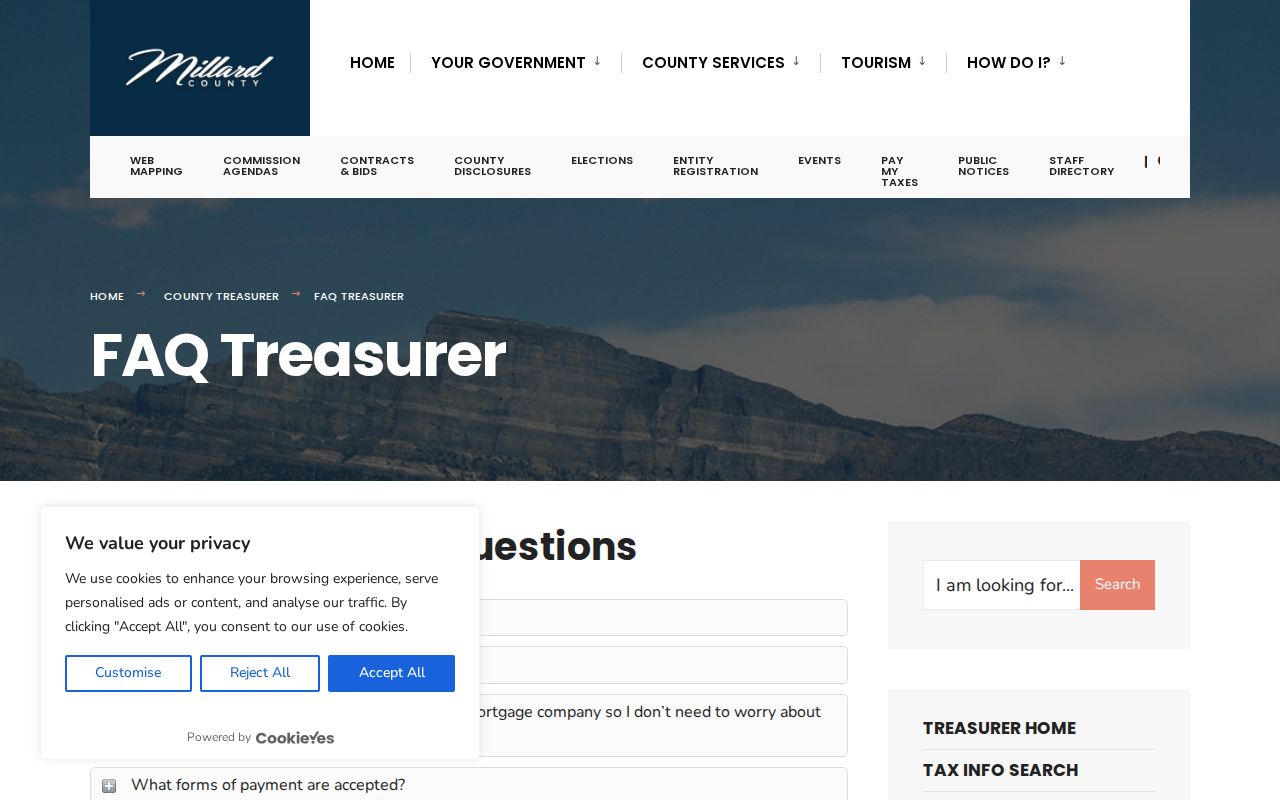
Timing, not error, explains most mismatches. The Millard County Treasurer's FAQ describes a gap in which a tax notice is addressed to a former owner because the roll was printed before the ownership update finished. That is why any current owner check compares the notice date against the latest recorded deed. A mismatch usually reflects the printing schedule rather than a problem with the deed itself. The Treasurer can confirm account changes.
Never lean on an old mailing name alone. Keep the parcel number, account ID, notice year, and instrument date together as one file. Ownership questions go to the Recorder. Payment and account-status questions go to the Treasurer.
The county's tax notice FAQ explains this local timing quirk.
After a recent sale, the newest deed settles it.
Millard County Assessed Value Is Not an Owner Update
The Assessor values taxable real property as of January 1, reviews property in detail every five years, and makes annual adjustments in between. Those dates explain how a valuation can be updated; they are not a promise that an ownership field changes on the same schedule as the Recorder's deed index. For an owner question, follow the transfer instrument. For a value question, contact the Assessor and keep the valuation year separate from the recording date.
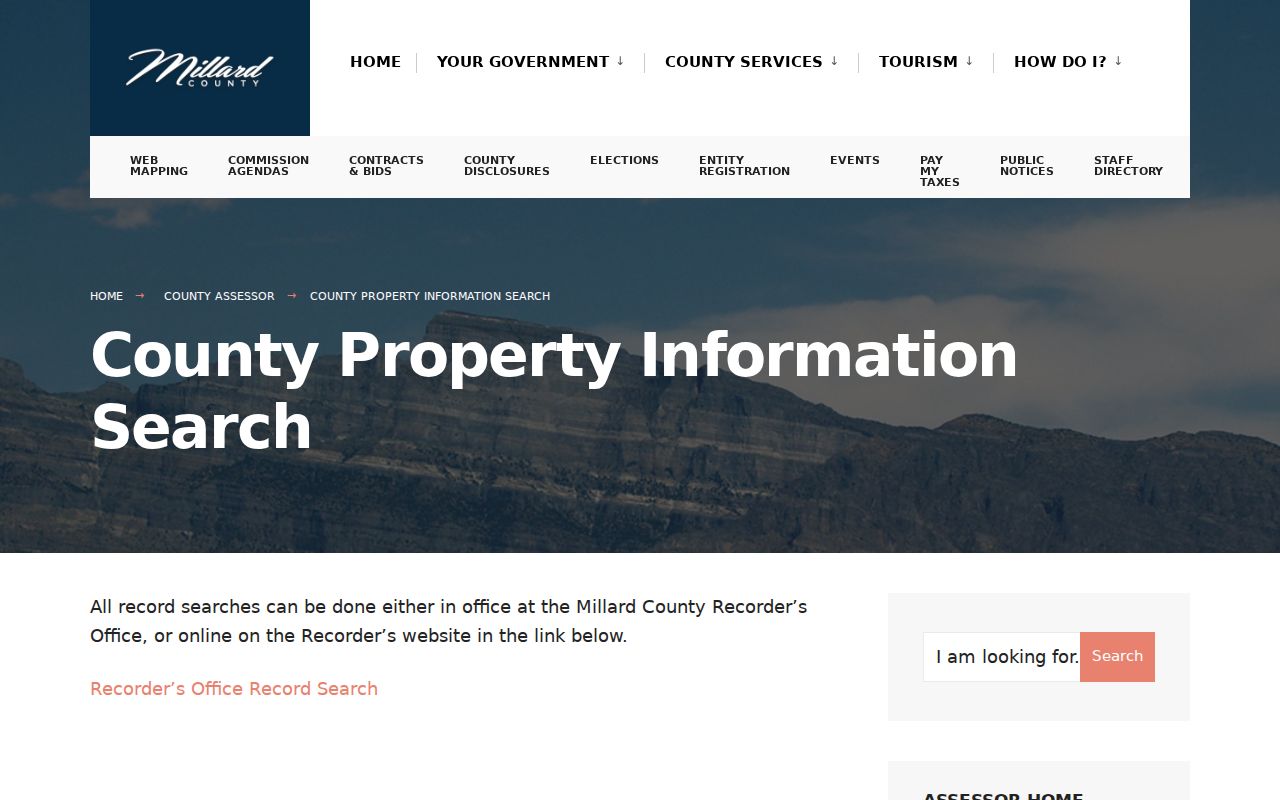
The county's property-information page directs visitors to Recorder search and does not expose a separate public assessor-card result in the material reviewed. That routing detail prevents a common mistake: assuming a search result was an Assessor owner roll when the source is actually the Recorder or Treasurer.
Use the official Assessor property-information page to see the county's published search route.
A value record and a deed answer different questions.
Millard County's Recorder Index Has an Older-Image Limit
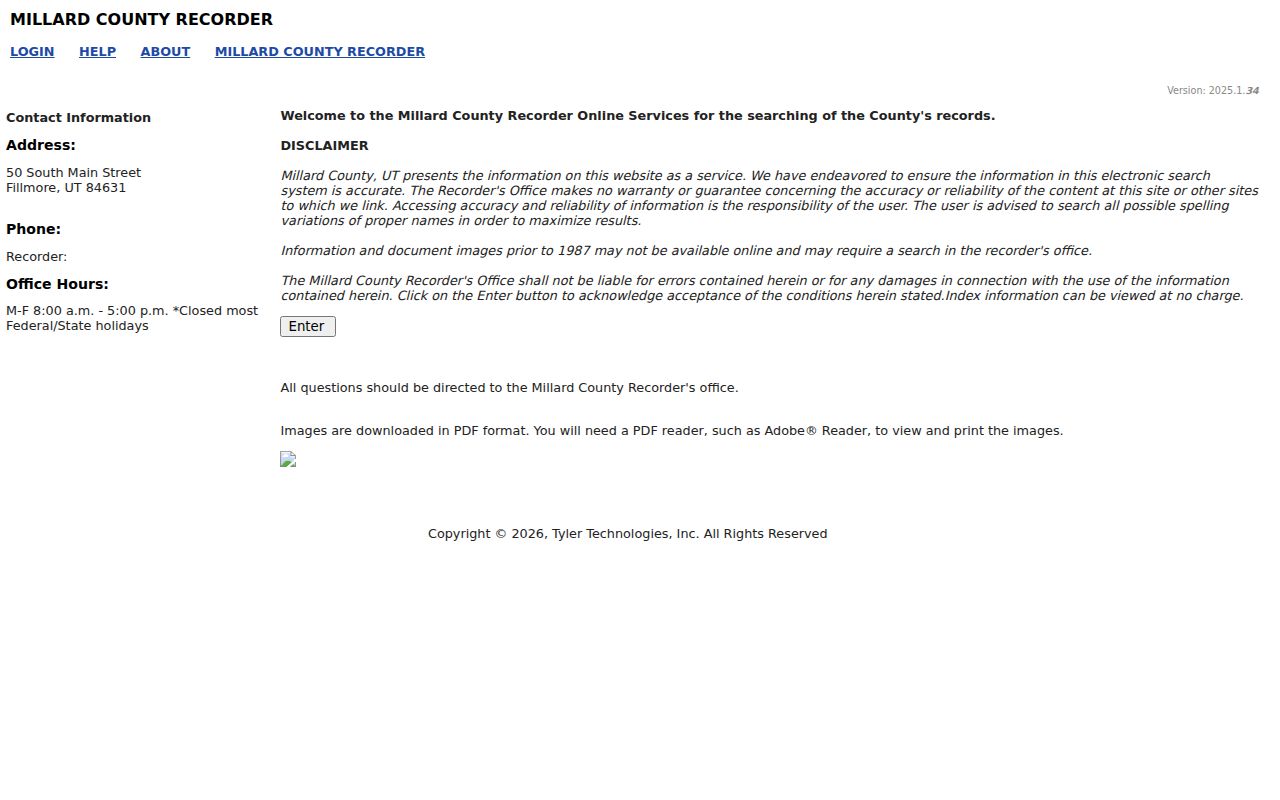
The Recorder's Tyler landing page sets the access terms. The index is free. Available images download as PDFs. One limit stands out. Pre-1987 material may not be online. A current owner search usually starts with a recent deed, but the chain of title can reach through older interests or a prior name, so the boundary matters more often than it first appears. When a needed image predates the online cutoff, the Recorder can run an office search if you supply the party names and the legal description.
The online index is a finding tool. Read the instrument itself whenever the ownership type, property description, or transfer date matters, and do not assume an old deed is missing just because its image never displays.
The Millard County Recorder's Tyler index posts the county's current access notice.
Keep the instrument reference even when the image is not available online.
Utah Entity Filings Add Context to an Owner Name
Deeds in Millard County sometimes name an LLC, a corporation, a trustee, or an estate representative. That is not a person as the holder. Utah's Division of Corporations and Commercial Code keeps a business search anyone can use. A filing there may surface a registered agent or an organizer. Be careful, though. Those roles show who filed paperwork. They do not show who benefits from the property or who controls every decision about it.
Read the deed's exact vesting language first. Keep that language next to the Recorder reference number so the parcel stays traceable. When a trust or an estate holds title, the public record may list only a fiduciary. The beneficiaries can stay private. An entity contact is never a substitute for the recorded owner of record. It is not permission to dig for private details. The Utah Division of Corporations and Commercial Code remains the state's official business filing source.
Millard County Street Grids Help Match the Parcel
An address makes more sense once you know the local grid. Delta runs on Main and Center. Fillmore uses Center Street and Eagle Avenue, and Hinckley has its own Center and Main origin. Rural routes are trickier. A mailing address can describe land far outside any city limit, so confirm the tax account and the recorded deed with a parcel number and legal description before assuming they match. The county offices still make that confirmation official.
Utah's official address-origin table lists each municipal grid separately. It helps when an old address refuses to line up with a current parcel search. Ownership is a different question, though. The table interprets locations, not deeds. Use the Utah address-origin reference to decode an address before you search the Millard County property records by name.
Limits of a Millard County Current Owner Search
A deed index or tax account names records, not residents. A mailing address can differ from the parcel's street address, and a business or fiduciary name can stand in for a natural person in the Millard County deed records. Work through official channels for any property matter. Respect privacy, and never use a name or address to target someone. The record of transfer is what you can confirm here. Tracking a resident is not.
Lawful use. Use Millard County owner information only for legitimate property research and related civic purposes. Do not use it to stalk, harass, threaten, or harm any person.